

47 Carrington Road
Marrickville NSW 2204


 News
Articles & Recipes
Articles
News
Articles & Recipes
Articles

Articles
Published on by New Directions
 Read entire post
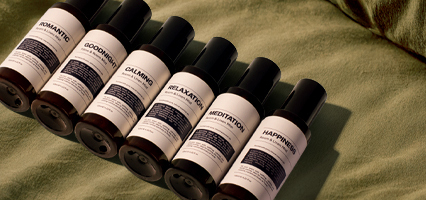
The Rise of Room & Linen Sprays: The Best Air Fresheners for Home and Bedding
Today’s room, pillow and linen mists are design-led, wellness-infused lifestyle staples. So, what are the best room sprays, and which scents work best in a space?
Published on by New Directions
 Read entire post
Decoding Fragrance Notes: Part Two — Strength, Structure & Bringing Your Scent to Life
Perfume Concentration, Longevity & Formulation: From Fragrance Notes to Finished Scent
Published on by New Directions
Decoding Fragrance Notes: Part One — Understanding the Architecture of Scent
Published on by New Directions
 Read entire post
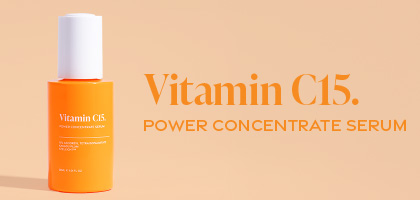
Spotlight on Vitamin C Serums
Vitamin C is one of the most researched ingredients in dermatology, recognised for its ability to brighten, firm and protect the skin. It remains a cornerstone of modern topical formulations and a true category pillar in skincare.
Published on by New Directions
 Read entire post
How to Prevent Hair Loss
More than 80% of men and almost half of all women experience significant hair loss in their lifetime. Fortunately for us, there are plenty of science-backed anti-hair loss ingredients available to help prevent hair loss and promote hair growth.
More about:
Hair Care
Published on by New Directions
 Read entire post
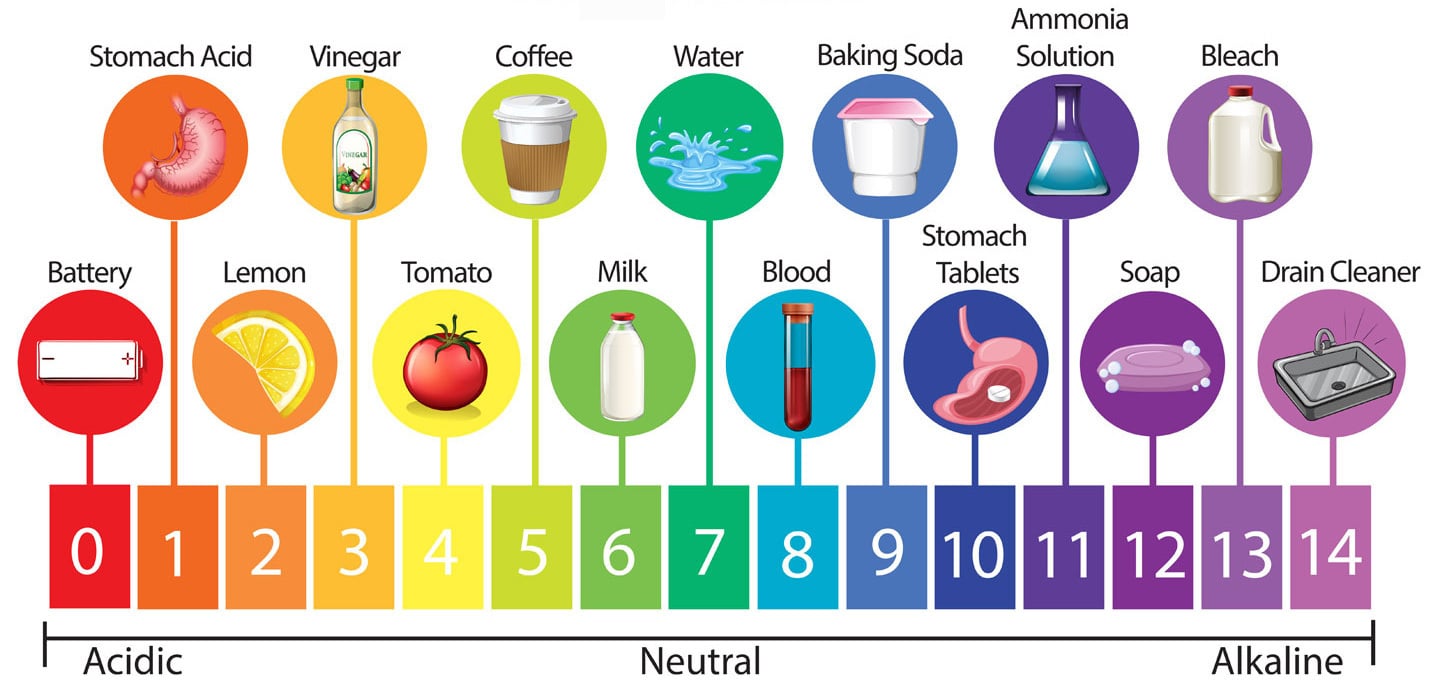
An Introduction to pH, pH Adjusting and Formulating with Cosmetic Acids
pH is a common technical term in the cosmetic industry that describes how acidic or alkaline a product is. In cosmetics, both very low and very high pH levels can be harsh and potentially irritating to the skin. For this reason, formulators aim to keep products within a skin-friendly pH range that supports comfort, stability, and the skin’s natural barrier.
Published on by New Directions
 Read entire post
Don't Get Water In Your Salt Scrub
A common way of assessing a cosmetic ingredient is to explore what it mixes with and for many, that starts with whether the ingredient is oil or water soluble. The fact that salt is both readily soluble in water and insoluble in oil is used to our advantage when making salt scrubs, allowing us to harness their exfoliant properties in a spreadable emollient base. The aesthetic of a salt scrub can vary from dry and granular, viscous paste-like solids through to those with a flowable oily top layer blanketing a crystalline salty bottom. Unlike in many cosmetic formulations, scrubs which lack homogeneity and that form these layers are not damaged or broken or less attractive to the public. Indeed, salt scrubs are enduringly popular in all their guises, thanks to their simplicity, wholesomeness and the way they leave your skin feeling.
Published on by New Directions
 Read entire post
When Changing Emulsifier Changes Everything
An experiment investigating what happens inside a cream when you change the emulsifier.
Your choice of emulsifier impacts much more than just how stable your cream will be. The right emulsification strategy will improve your product efficacy - how well it does what you say it will do. The emulsifier also plays an important role in the products rheology (how it flows), how it looks and feels and how it ages over time.
More about:
Cosmetics, Emulsifiers
Published on by New Directions
 Read entire post
Experimenting With Different Natural Preservatives In A Cream Base
Many of our clients struggle when it comes to choosing a preservative for their cream, milk or lotion. In fact, it's such a source of anxiety for some they choose to avoid water-containing formulations altogether- a strategy that can sometimes work but at other times be very limiting.
More about:
Natural Ingredients, Skincare
Published on by New Directions
 Read entire post
The Curious State of Glyceryl Stearate
Until last week this commonly-used cosmetic chemical had been something I'd never, ever thought of looking into. I hadn't questioned its chemistry or function having used it many times in many different formulations and while I knew of and appreciated the difference between the SE and non-SE versions of this (SE = Self Emulsifying indicating the presence of a little saponified fatty acid to help turn up its emulsification properties) beyond that, I had next to no interest in spending time analysing this. That has since changed.
More about:
Chemistry, Glyceryl Stearate